HyTech Racing: Driverless Steering Battery
Battery Systems & E-Drives Member, Georgia Tech Formula SAE Electric
August 2026 - Present
17%
Lighter than the best COTS battery

Problem & constraints
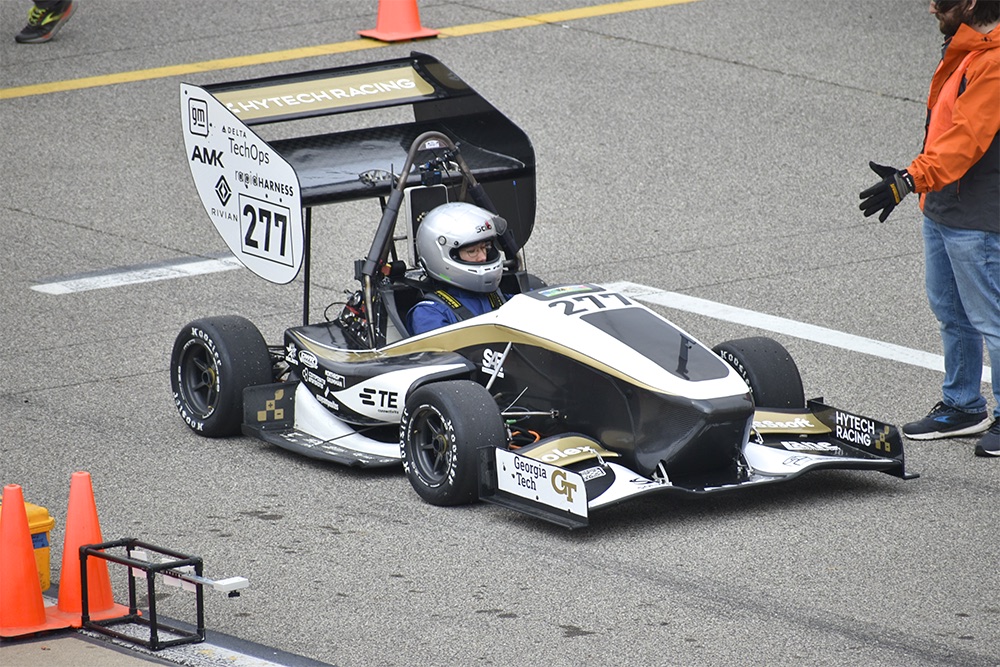
The driverless car needs a battery to power its steering motor. It must meet the motor's power draw while staying as light and compact as possible, inside thermal limits and a student-team budget.
Role & contributions
Within the battery systems team, Aariz performed cell selection, designed the custom steering battery, and is analyzing compression data to set the cell stack compression.
Technical details
- Selected a commercial off-the-shelf (COTS) baseline through a trade study of electrical output, gravimetric and volumetric energy density, packaging, thermal limits, and cost.
- Designed a custom 12 V battery pack sized to the motor's power draw, covering cell selection, cell stack, and module layout.
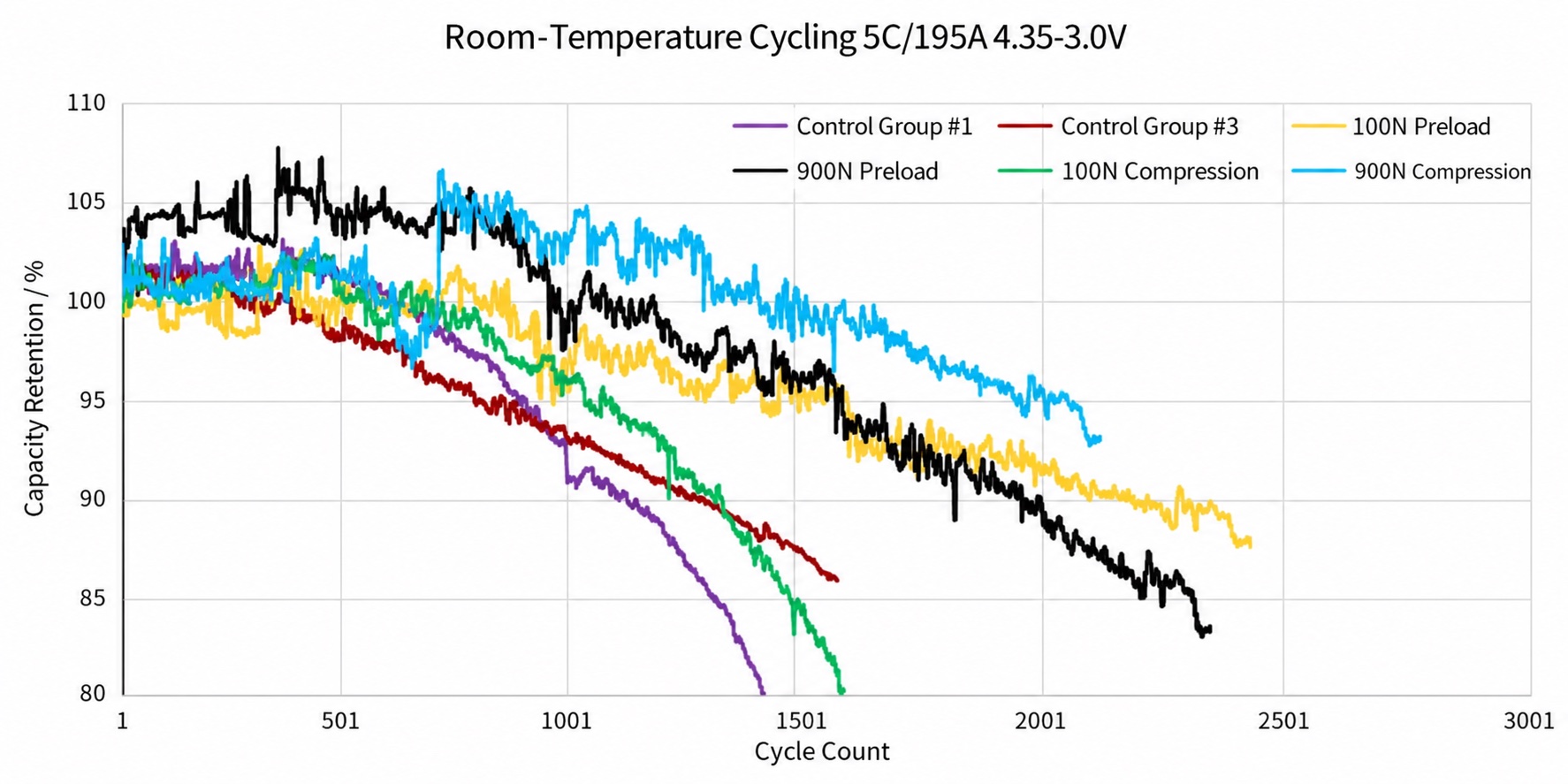
- Analyzing cell compression vs. state-of-health (SOH) data. The manufacturer only tested a different cell, so he is benchmarking comparable cells from other manufacturers to estimate where each of the team's cells should sit (chart above).
- Selected PC/ABS FR compression plates to carry the stack load while adding electrical and thermal insulation.
Results & impact
- Reduced pack weight 17% compared with the best COTS option.
- Estimated target stack compression at 50 N.
- Status: in design; build and test come next.
Battery Pack DesignCell SelectionTrade StudiesData Analysis